
Finding mouse droppings in your home is one of the clearest signs that you’re dealing with a rodent problem. For many homeowners, this discovery is often the first indication that mice are active behind the scenes. While it may seem like a small issue at first, droppings usually point to a larger problem that needs attention.
Understanding what mouse droppings mean, where to look for them, and how to respond can help you take control of the situation quickly. Acting early can prevent a minor issue from turning into a full infestation.
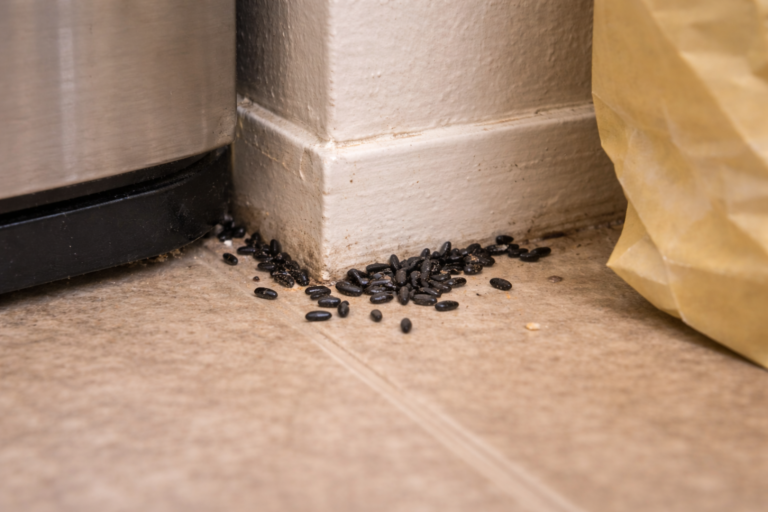
Mouse droppings are small, dark, and typically shaped like grains of rice. They usually have pointed ends and are about a quarter of an inch long. Fresh droppings tend to be darker and slightly moist, while older droppings become dry, brittle, and lighter in color.
The appearance of droppings can tell you more than just whether mice are present. It can also give you an idea of how active they are and whether the problem is recent or ongoing. If you’re finding droppings in multiple areas or noticing new ones appearing regularly, it’s a strong sign that mice are actively living in your home.
Mouse droppings are more than just an inconvenience. They are a direct indicator of activity and can reveal patterns about where mice are travelling and nesting.
Mice tend to leave droppings as they move, especially along walls and in areas where they frequently search for food. This means droppings often mark the pathways mice use every day.
They can also point to nesting areas. Larger concentrations of droppings in one location may indicate that mice are living nearby, possibly inside walls, behind appliances, or in hidden spaces like attics and basements.
From a health standpoint, droppings can contaminate surfaces and food. Mice carry bacteria and pathogens that can spread through their waste, making it important to address the issue as soon as possible.
Droppings are usually found in areas where mice feel safe and have easy access to food or shelter. Kitchens are one of the most common places to find them. Inside cabinets, under sinks, behind the fridge, and near the stove are all high-risk areas.
Pantries and food storage spaces are also frequent hotspots. Even if food is sealed, crumbs or residue can attract mice and lead to activity in these areas.
Basements and utility rooms are another common location. These areas often provide quiet, undisturbed spaces where mice can move freely. Around water heaters, furnaces, and electrical panels, you may find signs of activity.
Garages can also be a source of droppings, especially if they contain stored items or provide easy access to the home.
In some cases, droppings may appear in less obvious places. Closets, behind furniture, and along baseboards in living areas can all show signs of mouse activity. Mice prefer to travel along edges rather than open spaces, so checking along walls is important.
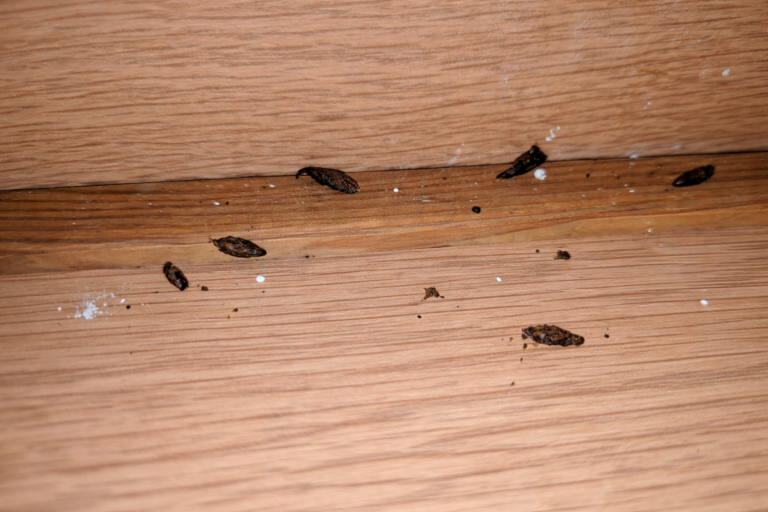
The amount and location of droppings can help you understand how serious the problem is. A small number of droppings in one area may suggest limited activity or a recent entry. However, finding droppings in multiple rooms or noticing them appearing consistently usually indicates a larger infestation. Clusters of droppings often point to nesting areas. If you’re seeing a buildup in one spot, it’s likely that mice are living nearby.
Fresh droppings are a sign of active movement. If you clean an area and find new droppings shortly after, it means mice are still present and the issue is ongoing.
This kind of information is valuable when determining the best approach to treatment.
Many homeowners are surprised to find droppings even though they’ve never seen a mouse. This is because mice are nocturnal and tend to stay hidden during the day. They often travel at night when the home is quiet, moving between nesting areas and food sources. This behaviour allows them to go unnoticed for long periods of time.
Droppings are often the first visible sign because mice leave them behind wherever they go. By the time droppings are discovered, mice may already be well established.
Ignoring droppings can allow a small problem to grow into something much more difficult to manage. Mice reproduce quickly, and a single pair can lead to a larger population in a short period of time. As their numbers increase, so does the amount of contamination and damage.
Droppings can also create unsanitary conditions in your home. They can contaminate food preparation areas, storage spaces, and surfaces that are used daily.
In addition to health concerns, mice can cause structural damage by chewing on wiring, insulation, and other materials. Addressing the issue early helps prevent these problems from escalating.
If you discover droppings, it’s important to take the situation seriously and act quickly. Cleaning the area is a good first step, but it does not solve the problem on its own. Removing droppings may temporarily improve the situation, but it does not eliminate the mice that are causing them.
Identifying where the droppings are located can help determine where mice are most active. This information is useful when deciding where to place traps or focus treatment efforts. However, without addressing entry points and nesting areas, mice will continue to return.
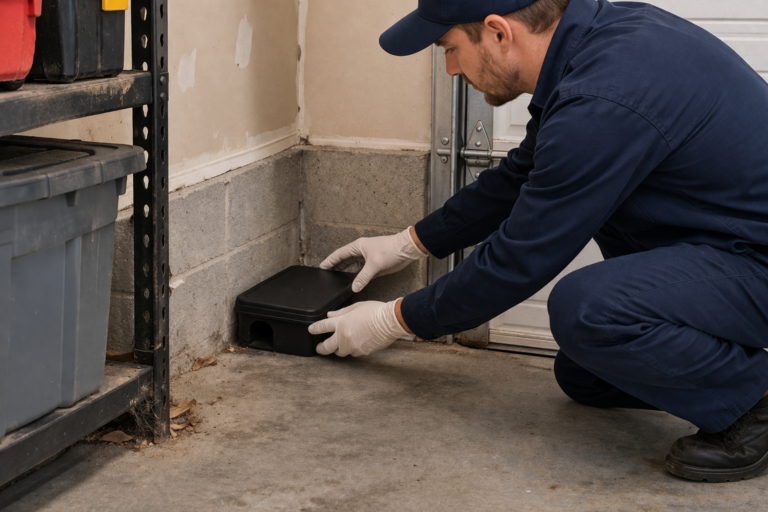
The most effective way to deal with mouse droppings is to address the root of the problem.
At AVID Pest, we begin with a detailed inspection to identify where mice are active and how they are entering your home. This allows us to develop a targeted plan that focuses on both removal and prevention.
Our treatments are designed to eliminate the current population while reducing the chances of future infestations. This may include strategically placed traps, secure rodenticide stations, and recommendations for sealing entry points. We also help homeowners understand how to maintain a mouse-free environment moving forward.
Mouse droppings are one of the most reliable indicators of a rodent problem. They provide valuable insight into activity levels, movement patterns, and potential nesting areas.
If you’re seeing droppings in your home, it’s important to take action before the problem gets worse. What may seem like a small issue can quickly become a larger infestation if left untreated.
If you’ve found mouse droppings in your home, now is the time to act. Professional treatment can eliminate the problem at its source and help prevent it from coming back.
AVID Pest offers fast, effective rodent control tailored to your home. Our team is ready to identify the issue, remove the infestation, and provide long-term solutions.
Reach out to AVID Pest to book your service and take the first step toward a clean, safe, and mouse-free home.
Looking for the best pest control service in Ontario? At Avid Pest Services, our exterminators are skilled to prevent any kind of pest from your residential and commercial area in a timely and efficient manner. Call today to get a free quote.
2023 Avid Pest Services. All Rights Reserved.
