
As soon as the weather begins to warm up, many homeowners notice the same frustrating pattern. Ants seem to appear out of nowhere, often in kitchens, bathrooms, and along windowsills. One day your home is pest-free, and the next you’re dealing with a steady trail of ants moving across your counters.
This seasonal surge is not random. Spring marks a major shift in ant behaviour, and understanding why ants suddenly appear can help you respond quickly and prevent the problem from getting worse.
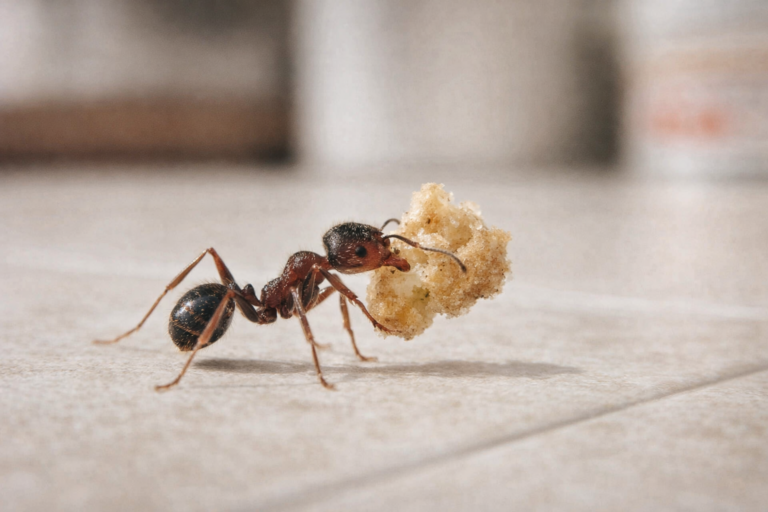
During the colder months, ants are largely inactive. Colonies slow down significantly, and many ants remain hidden underground or within protected areas where temperatures are more stable. In some cases, ants may already be inside your home, nesting quietly in wall voids or other sheltered spaces without being noticed.
As temperatures rise in early spring, these colonies begin to wake up. Warmer conditions trigger increased activity, and ants start searching for food to support the colony’s growth. This is often the moment homeowners begin to see them.
The sudden appearance is really just the result of ants becoming active again after months of dormancy.
Once ants become active in spring, their primary focus is finding food. Colonies need energy to grow, especially as they begin producing new workers and expanding their numbers.
Your home provides an easy and reliable food source. Kitchens, in particular, offer access to sugar, grease, crumbs, and moisture. Even small amounts of food left behind on counters or floors can attract ants.
When a single ant finds a food source, it returns to the colony and leaves behind a scent trail. This trail allows other ants to follow the same path, which is why you often see long lines forming so quickly.
Spring is also a time of rapid expansion for ant colonies. The queen begins laying more eggs, and the number of worker ants increases. As the population grows, so does the need for food and resources.
This increased demand pushes more ants out into the open, which leads to more frequent sightings inside homes. What may appear to be a sudden invasion is often the result of a colony that has been building momentum just out of sight.
In some cases, multiple colonies may be active around your property, increasing the chances of ants finding their way indoors.
Spring weather plays a major role in ant activity. Melting snow, increased rainfall, and fluctuating temperatures can disrupt outdoor nesting sites. When this happens, ants may move to new locations in search of better conditions.
Homes provide shelter from these changes. Areas with consistent warmth and access to water, such as kitchens and bathrooms, become especially attractive.
Moisture is a key factor. Leaks under sinks, condensation, and damp areas can draw ants indoors even if food sources are limited.
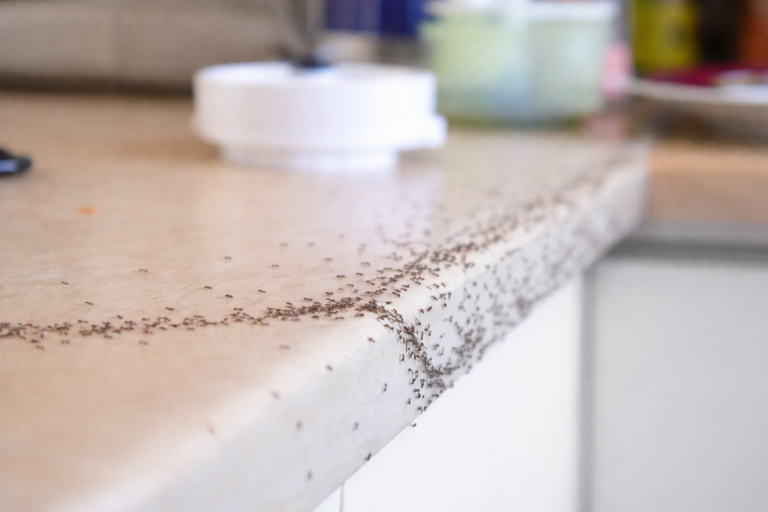
Ants are incredibly small and can enter your home through openings you may not even notice. Tiny cracks in the foundation, gaps around windows and doors, and spaces where pipes or wires enter are all common entry points.
In many cases, ants are already living just outside your home, nesting in soil, under stones, or along the foundation. Once they detect a food source inside, they only need a small opening to gain access.
Because these entry points are often hidden, homeowners may not realize how ants are getting in, which makes the problem feel sudden and unexpected.
One of the most frustrating aspects of spring ant infestations is how fast they seem to grow. This happens because ants work as a coordinated colony.
When one ant finds food, it signals others to follow. Within a short period of time, a few ants can turn into dozens or even hundreds.
Cleaning up visible ants may provide temporary relief, but if the source of the problem is not addressed, new ants will continue to appear. This cycle is what makes spring infestations feel persistent and difficult to control.
Several types of ants become active in spring, and each behaves slightly differently.
Small pavement ants and odorous house ants are among the most common. These ants typically enter homes in search of food and are often found in kitchens.
Carpenter ants are larger and more concerning. They can nest inside wood structures and may indicate moisture issues or structural vulnerabilities. Spring is a common time for carpenter ants to become more visible as their colonies expand.
Identifying the type of ant is important because it affects how the infestation should be treated.
Many homeowners try to deal with ants using sprays or store-bought products. While these can reduce the number of visible ants, they rarely solve the root problem.
Sprays typically kill ants on contact but do not reach the colony. In some cases, they can even cause the colony to split, leading to multiple new nests and increased activity.
Without targeting the source, the infestation continues. This is why ants often return days or weeks after a DIY treatment.
Spring is the best time to address ant problems before they become more severe. Catching activity early makes it easier to eliminate the colony and prevent it from spreading.
If left untreated, ant infestations can grow throughout the season, becoming harder to manage and more disruptive to your home.
Taking action at the first sign of ants can save time, reduce stress, and limit the impact on your daily routine.

At AVID Pest, we understand how frustrating spring ant infestations can be. Our approach focuses on identifying the source of the problem and eliminating it effectively.
We start with a detailed inspection to determine where ants are coming from and what type of colony is involved. From there, we apply targeted treatments designed to reach the source, not just the ants you see.
This may include professional-grade baiting systems, exterior treatments, and strategic applications in key areas around your home. We also provide guidance on preventing future infestations by addressing entry points and conditions that attract ants.
Our goal is to provide long-term results, not temporary fixes.
Prevention plays a major role in keeping ants out of your home during spring and beyond.
Maintaining a clean kitchen, sealing entry points, and addressing moisture issues can all reduce the likelihood of ants becoming a problem. Regular inspections and early treatment can also help catch activity before it escalates.
For many homeowners, seasonal pest control services provide peace of mind and consistent protection throughout the year.
If you are noticing ants in your kitchen, along your walls, or around your home this spring, it’s important to act quickly. What starts as a small issue can grow into a much larger infestation if left untreated.
AVID Pest offers fast, effective ant control designed to eliminate the problem at its source. Our team is ready to help you take control of your home and keep it protected throughout the season.
Contact AVID Pest today to book your service and stop ants before they take over your home.
Looking for the best pest control service in Ontario? At Avid Pest Services, our exterminators are skilled to prevent any kind of pest from your residential and commercial area in a timely and efficient manner. Call today to get a free quote.
2023 Avid Pest Services. All Rights Reserved.