
Mice are one of the most persistent household pests homeowners deal with. Many people are surprised when they suddenly notice droppings in the kitchen, scratching sounds in the walls, or a mouse running across the floor late at night. The common question that follows is simple: how did they get inside in the first place?
The truth is that mice are extremely skilled at finding entry points into homes. Even properties that appear clean and well maintained can become targets. Understanding how mice get into homes is one of the most important steps in preventing an infestation from getting worse.
At AVID Pest, one of the biggest parts of successful mouse control is identifying how the rodents entered and stopping future access. Removing the mice alone is not enough if the home remains vulnerable.

Mice enter homes searching for three main things: food, shelter, and warmth. Outdoor conditions can be unpredictable, especially during colder months. Homes provide stable temperatures, protection from predators, and easy access to food sources. Once mice find a safe place to nest, they tend to stay close to it.
A single home can support multiple mice without homeowners noticing right away. Because mice are nocturnal and naturally cautious, they often remain hidden during the early stages of an infestation.
One of the reasons mice are so difficult to keep out is their ability to squeeze through extremely small spaces. A mouse can fit through an opening roughly the size of a dime. If the skull fits, the rest of the body can usually follow. This allows mice to enter homes through gaps that homeowners often overlook completely.
Cracks in foundations, openings around utility lines, gaps beneath doors, damaged vents, and spaces near rooflines can all provide access. Even newer homes are not immune. Construction gaps and settling over time can create openings that mice quickly take advantage of.
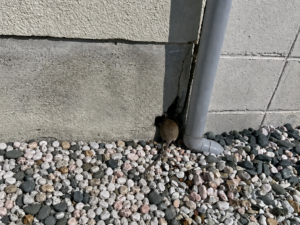
One of the most common places mice enter is along the foundation. Small cracks or holes where pipes and cables enter the home are especially attractive because they provide hidden pathways inside. Garage doors are another major entry point. Even a small gap along the bottom seal can allow mice to slip through. Once inside the garage, they often move deeper into the home through shared walls or utility openings.
Rooflines are also vulnerable. Mice are excellent climbers and can use trees, downspouts, and siding to reach upper areas of a house. Gaps near soffits, vents, or roofing materials can allow access into attics. Doors and windows can also contribute to infestations. Worn weather stripping and damaged seals create small openings that mice can exploit.
At AVID Pest, inspections focus heavily on these areas because entry points are often hidden in plain sight.
Once mice are inside, kitchens quickly become one of their favorite areas. Food crumbs, pantry items, pet food, and accessible garbage all provide reliable food sources. Mice are opportunistic feeders and do not require much to survive. Even minor crumbs beneath appliances or inside cabinets can sustain activity.
Water sources also play a role. Leaking pipes under sinks or condensation around appliances create moisture that mice need to survive. This combination of food, water, and shelter makes kitchens one of the most common locations for mouse activity.
Mice rarely stay out in the open. They prefer quiet, hidden areas where they feel protected. Wall voids, attics, basements, crawlspaces, and storage areas are ideal nesting environments. Insulation is especially attractive because it provides warmth and material for building nests.
Homeowners often discover infestations only after the population grows large enough to create noticeable signs such as scratching sounds or visible droppings. By the time mice are seen regularly, they are often well established inside the structure.
One of the earliest signs of mice is droppings. These are commonly found along baseboards, inside cabinets, behind appliances, and in storage areas. Scratching or scurrying noises inside walls or ceilings are also common, especially at night when mice are most active.
Gnaw marks on food packaging, wiring, or wood can indicate active rodents. Mice constantly chew to keep their teeth worn down, which can lead to property damage over time. Some homeowners also notice a strong musky odor in areas with heavy activity. Recognizing these signs early can help prevent the infestation from becoming more severe.
Many homeowners attempt to solve mouse problems using traps or store-bought poison. While these methods may reduce activity temporarily, they often fail to address the real issue. The biggest problem is that DIY approaches usually focus only on the mice that are visible. They rarely address how the rodents are getting inside. If entry points remain open, new mice will continue entering the home even after some are removed.
Improper bait placement and incomplete trapping strategies can also allow parts of the population to survive and continue reproducing. Long-term mouse control requires more than simply catching a few mice.
At AVID Pest Services, we approach mouse control by focusing on both removal and prevention. The process starts with a detailed inspection of the property. We identify active areas, signs of nesting, and the most likely entry points. Because mice can enter through extremely small gaps, experience and attention to detail are critical during this stage.
Once the infestation is assessed, targeted treatment methods are used to reduce and eliminate the population. This may include strategically placed traps or secured rodenticide stations depending on the severity and layout of the infestation.
One of the most important parts of the process is exclusion work. This involves sealing gaps and vulnerable areas to help prevent mice from returning. Without exclusion, many infestations eventually reoccur because the underlying access points remain available.
Keeping mice out requires ongoing prevention. Reducing food sources is one of the most effective steps homeowners can take. Keeping pantry items sealed, cleaning crumbs regularly, and storing pet food properly can make the home less attractive. Addressing moisture issues also helps. Fixing leaks and reducing humidity removes another resource mice depend on.
Exterior maintenance is equally important. Sealing cracks, repairing damaged weather stripping, and maintaining proper garage door seals can significantly reduce the chances of future activity. Regular inspections can help identify vulnerabilities before mice become established.
Mice reproduce quickly. A small infestation can grow into a much larger problem in a relatively short amount of time. The longer mice remain inside a home, the greater the risk of contamination and property damage. Droppings, urine, nesting materials, and chewing damage can affect both health and safety. Early treatment is usually faster, more effective, and less costly than waiting until the infestation becomes severe.
If you’ve noticed signs of mice in your home, addressing the issue early can make all the difference. Understanding how mice get inside is the first step toward stopping them for good. AVID Pest Services provides professional mouse control designed to identify entry points, eliminate infestations, and help prevent future problems. Our team takes a complete approach to ensure long-term results rather than temporary fixes.
Contact AVID Pest Services today to book your inspection and protect your home from unwanted rodent activity.
Looking for the best pest control service in Ontario? At Avid Pest Services, our exterminators are skilled to prevent any kind of pest from your residential and commercial area in a timely and efficient manner. Call today to get a free quote.
2023 Avid Pest Services. All Rights Reserved.